

Introduction to the Keto Diet
The ketogenic diet, or simply keto diet, is one of the most popular eating plans in the world right now. It’s not just another “fad diet.” Instead, it’s a lifestyle approach that drastically reduces carbohydrates, increases fat, and maintains moderate protein intake. This unique balance shifts the body’s primary energy source from glucose (carbs) to fat, leading to a natural fat-burning state called ketosis.
Interestingly, the keto diet has been around since the 1920s, originally developed to treat epilepsy. Today, it has gained massive popularity for its potential to aid weight loss, improve energy levels, and support overall wellness.
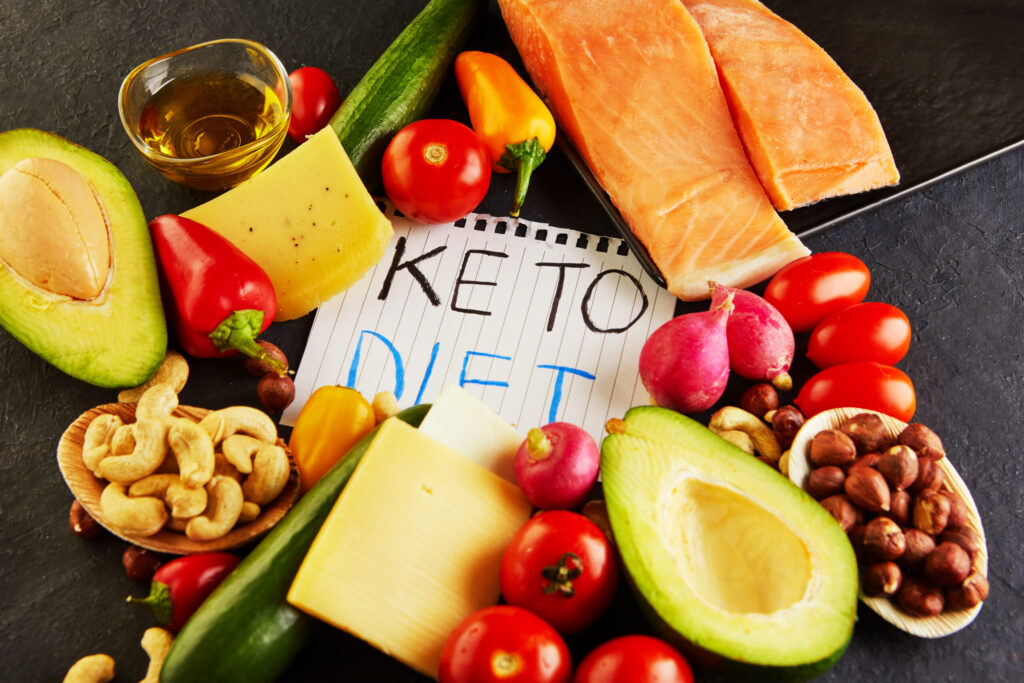
How the Keto diet works?
The core principle behind keto is ketosis. Normally, our bodies rely on carbohydrates for fuel. When carbs are scarce, the liver converts fat into molecules called ketones, which the body then uses for energy.
This shift in metabolism not only promotes fat loss but also stabilizes blood sugar levels, which can help with insulin sensitivity and overall energy stability.
Macronutrient breakdown in Keto
To follow the keto diet effectively, you need to understand its unique macronutrient ratios:
- Fats: 70–75% of daily calories
- Protein: 20–25% of daily calories
- Carbohydrates: 5–10% of daily calories
That means most of your plate will consist of fatty foods, with moderate protein and very little carbs.
Types of Keto Diets
There’s no one-size-fits-all approach to keto. Here are the main variations:
1. Standard Keto Diet (SKD)
The most common form, focusing on very low carbs, moderate protein, and high fat.
2. Cyclical Keto Diet (CKD)
Involves periods of higher carb intake, such as 5 days of keto followed by 2 days of carb loading.
3. Targeted Keto Diet (TKD)
Allows extra carbs around workouts for athletes who need a performance boost.
4. High-Protein Keto
Similar to SKD but with a higher protein intake, often used for muscle preservation.
Foods to Eat on Keto
Here’s what you can load your plate with:
- Healthy fats and oils: Avocado, olive oil, coconut oil, butter, ghee.
- Protein-rich foods: Beef, chicken, fish, eggs.
- Low-carb vegetables: Spinach, broccoli, zucchini, cauliflower.
- Nuts and seeds: Almonds, walnuts, chia seeds.
Foods to Avoid on Keto
To stay in ketosis, it’s crucial to avoid:
- High-carb foods: Bread, pasta, rice, potatoes.
- Sugary foods: Candy, soda, desserts.
- Processed snacks: Chips, crackers, granola bars.
- Hidden sugars: Sauces, dressings, packaged foods.
Benefits of the Keto Diet
Why do so many people swear by keto? Here’s why:
- Weight loss: Burns fat efficiently and reduces hunger.
- Mental clarity: Many report better focus and concentration.
- Blood sugar control: Helps manage insulin resistance.
- Potential medical benefits: Studied for epilepsy, Alzheimer’s, and PCOS.
Possible Side Effects of Keto
Like any diet, keto comes with some downsides, especially at the beginning:
- Keto flu: Symptoms like fatigue, headaches, and irritability during the first week.
- Nutrient deficiencies: If not planned well, you may miss out on key vitamins and minerals.
- Digestive issues: Constipation or stomach discomfort can occur.
Tips for Starting the Keto Diet
Getting started can feel overwhelming, but here are some tips:
- Plan your meals: Avoid last-minute carb cravings.
- Stay hydrated: Water helps flush ketones and reduces fatigue.
- Maintain electrolytes: Sodium, magnesium, and potassium are vital for energy balance.

Keto-Friendly Snacks and Recipes
Some quick and easy options include:
- Cheese slices with cucumber
- Avocado stuffed with tuna
- Boiled eggs with mayo
- Keto fat bombs (butter + coconut oil + cocoa)
Keto and Exercise
Your workouts may feel harder at first, but over time, your body adapts. Keto supports endurance training well but might require adjustments for high-intensity workouts.
Keto for Different Goals
- Weight loss: Fast fat burning with reduced appetite.
- Muscle gain: High-protein keto can help maintain lean muscle.
- Health optimization: Supports balanced energy and stable moods.
Who Should Avoid Keto
Keto isn’t for everyone. People with liver disease, pancreatitis, gallbladder issues, or certain metabolic conditions should consult a doctor before starting. Pregnant and breastfeeding women should also be cautious.
Common Myths About the Keto Diet
Let’s bust some myths:
- “Keto is just bacon and butter.” Wrong! It’s about balance with veggies, proteins, and healthy fats.
- “Keto damages your kidneys.” Not if done properly with the right protein levels.
- “You can’t eat vegetables on keto.” You can—just stick to low-carb veggies.
Learn more about health related health on other tp health websites like Healthline.com ,or Alison
Conclusion
The keto diet is a powerful lifestyle change that can help with fat loss, better energy, and overall health when done correctly. While it may not be suitable for everyone, with proper planning and balance, keto can be a sustainable and effective approach to nutrition.
FAQs
1. Can I ever eat carbs again on keto?
Yes, but in moderation. Some people follow cyclical keto to include carb days.
2. How fast will I lose weight on keto?
It depends on your metabolism, but many people see results within the first 2–4 weeks.
3. Is keto safe long-term?
For most healthy individuals, yes. But regular checkups are recommended.
4. Can vegetarians do keto?
Absolutely! Focus on eggs, dairy, nuts, seeds, and low-carb veggies.
5. Do I need supplements on keto?
Electrolyte supplements and vitamin D are often helpful to prevent deficiencies.